Get Water Hydrant Replacement
Water hydrant replacement services help property owners fix or upgrade fire hydrants, handling projects like repairs, upgrades, and emergency replacements efficiently.
Property owners in the area considering water hydrant replacement often seek reliable solutions to ensure proper water flow and system functionality. Whether addressing aging infrastructure, preparing for new developments, or upgrading existing fire safety measures, exploring local contractors can help identify practical options that meet specific needs. Taking the time to compare services and expertise can support informed planning for these important upgrades.
By exploring available local service providers, property owners can find experienced professionals equipped to handle water hydrant replacement projects efficiently. Connecting with local contractors allows for a better understanding of the options suited to different property types and conditions, making it easier to develop a plan that aligns with project goals. Continue reading to discover how to find the right local experts for your water hydrant needs.
- Water hydrant replacement - needed when existing fire hydrants are outdated or no longer function properly.
- Hydrant repair services - required if a water hydrant is leaking, damaged, or fails to operate during testing.
- Hydrant installation - necessary when new fire protection systems are being installed or existing ones are expanded.
- Hydrant maintenance - needed to ensure water hydrants remain operational and compliant with safety standards.
- Hydrant upgrades - required when older hydrants need to be modernized to improve performance and reliability.
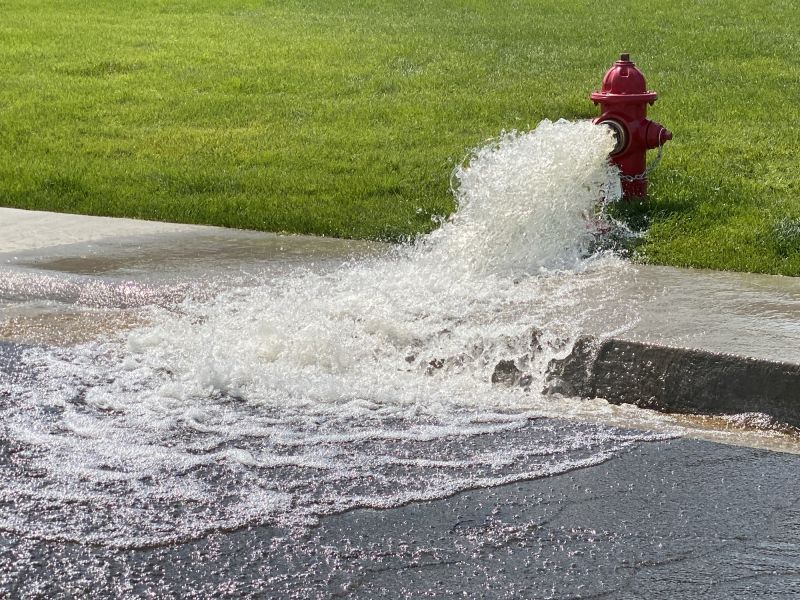
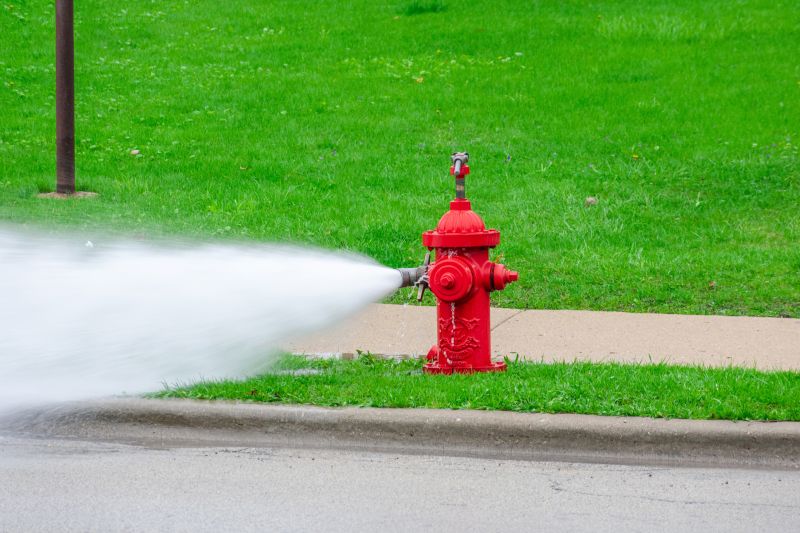
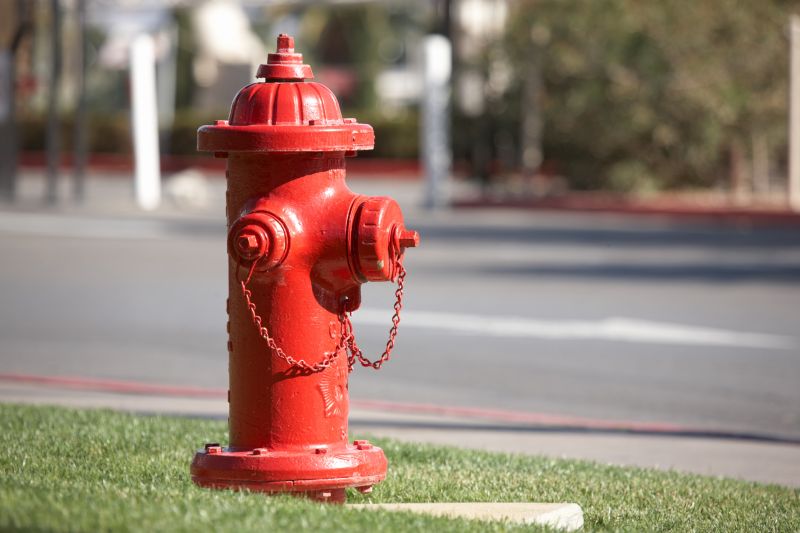
Water hydrant replacement services involve removing outdated, damaged, or corroded fire hydrants and installing new units to ensure reliable access to water in case of emergencies. This process typically includes inspecting the existing hydrant, disconnecting it safely, and installing a new hydrant that meets current standards. Skilled service providers also handle the necessary connections to the water main and ensure the hydrant is properly positioned and accessible. Proper installation is essential for maintaining the safety and functionality of fire protection systems on residential, commercial, and municipal properties.
Replacing a water hydrant can help address several common problems. Over time, hydrants can become corroded, leak, or suffer damage from freezing, accidents, or general wear and tear. These issues can hinder firefighting efforts or lead to water wastage. Additionally, outdated hydrants may not meet current safety codes or performance standards. Upgrading to a new hydrant ensures that the property remains compliant with safety regulations and that the fire protection infrastructure functions effectively when needed.
This service is often used by property owners of various types, including residential neighborhoods, apartment complexes, commercial properties, and municipal facilities. Homeowners may require hydrant replacement if their property is part of a larger fire protection system or if local authorities mandate upgrades. Commercial property managers and municipal agencies also rely on these services to maintain the safety and operational readiness of fire suppression systems. Generally, any property that depends on fire safety infrastructure can benefit from professional hydrant replacement services.
Property owners should consider hydrant replacement if they notice visible damage, leaks, or corrosion on existing hydrants. Other signs include difficulty operating the hydrant, reduced water flow, or if the hydrant has not been upgraded in many years. Regular inspections by local contractors can identify potential issues early, preventing costly repairs or safety hazards later. When a hydrant is no longer functioning properly or fails to meet current safety requirements, professional replacement ensures the property’s fire protection system remains reliable and compliant.
The overview below groups typical Water Hydrant Replacement projects into broad ranges so you can see how smaller, mid-sized, and larger jobs often compare in your area.
In many markets, a large share of routine jobs stays in the lower and middle ranges, while only a smaller percentage of projects moves into the highest bands when the work is more complex or site conditions are harder than average.
Smaller Repairs - Most minor water hydrant repairs typically cost between $250 and $600, covering parts replacement or minor fixes. Many routine jobs fall within this middle range, with fewer projects reaching the higher end of the scale.
Partial Replacement - Replacing a water hydrant or its components usually ranges from $600 to $1,200, depending on the extent of work needed. Larger, more complex partial replacements can go beyond this range but are less common.
Full Hydrant Replacement - Complete replacement of a water hydrant often costs between $1,200 and $2,500, with most projects falling into this bracket. Larger or more intricate installations may exceed this range in some cases.
Large or Complex Projects - Extensive hydrant replacements or installations involving additional site work can reach $5,000 or more. These projects are less frequent and typically involve significant excavation or customization by local contractors.
Actual totals will depend on details like access to the work area, the scope of the project, and the materials selected, so use these as general starting points rather than exact figures.
Underground Utility Line Installation - This project involves planning and executing the installation of underground water lines, requiring skills similar to water hydrant replacement to ensure proper connection and functionality.
Fire Hydrant Maintenance and Repair - Maintaining and repairing fire hydrants involves understanding water systems and performing precise work, making it comparable to hydrant replacement services.
Municipal Water System Upgrades - Upgrading city water infrastructure demands coordination, planning, and technical skills akin to replacing and upgrading water hydrants in public spaces.
Storm Drain and Drainage System Installation - Installing storm drainage systems involves excavation, pipe fitting, and planning skills similar to those used in hydrant replacement projects.
Water Main Replacement - Replacing main water lines requires careful planning and technical expertise comparable to water hydrant replacement tasks.
Sprinkler System Installation - Installing landscape or industrial sprinkler systems involves underground piping and water connection planning similar to hydrant replacement work.
When comparing service providers for water hydrant replacement, it’s important to consider their experience with similar projects. Look for local contractors who have a proven track record of handling water hydrant installations or replacements in your area. An experienced professional will understand the common challenges of such work and be better equipped to deliver reliable results. Asking about past projects or requesting examples of completed work can help gauge their familiarity with the specific requirements and complexities involved in hydrant replacement.
Clear written expectations are essential to ensure both parties are aligned on the scope of work, materials, and any specific requirements. When evaluating local pros, seek providers who can offer detailed written proposals or estimates that outline the work to be performed, timelines, and any necessary preparations. This transparency helps prevent misunderstandings and provides a reference point throughout the project, making it easier to track progress and address any questions or concerns that may arise.
Reputable references and good communication are also key factors in selecting a dependable service provider. Reputable local contractors should be able to provide references from previous customers who can speak to their professionalism and quality of work. Additionally, a contractor’s responsiveness and clarity in communication can indicate their level of customer service and reliability. Choosing a provider who communicates effectively and maintains transparency can help ensure the project proceeds smoothly and meets expectations. It’s important to remember that this site serves as a resource to connect homeowners with local service providers, not to perform the work directly.
Property owners use Water Hydrant Replacement services for practical projects around their homes and businesses. This guide focuses on everyday jobs and straightforward project options.
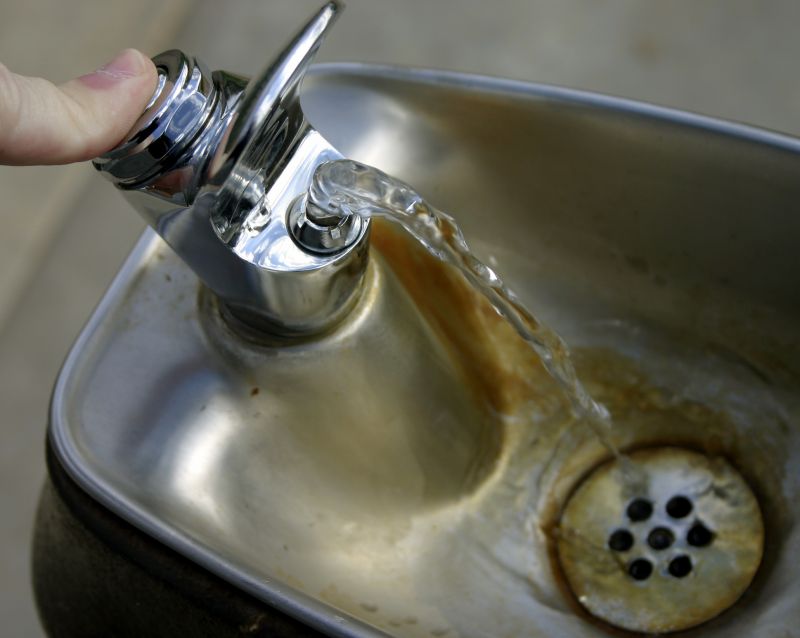
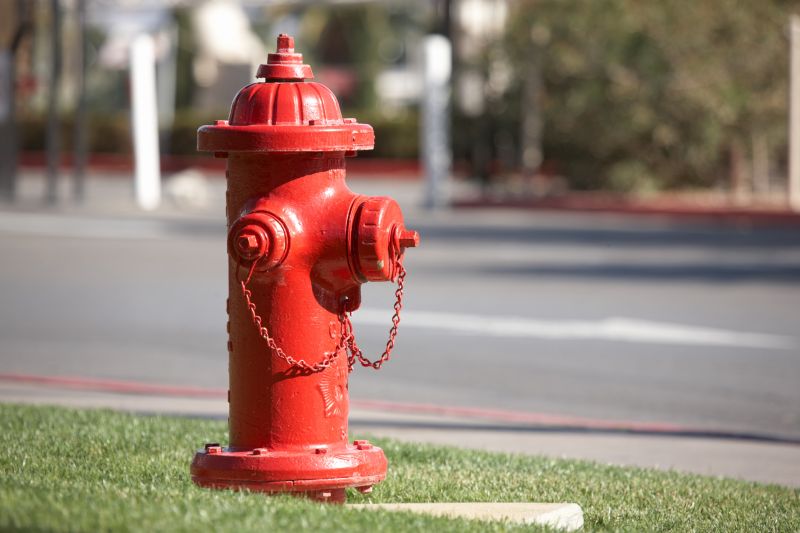
Water hydrant replacement services are often needed when property owners notice leaks, corrosion, or damage to existing fire hydrants on their premises. Additionally, aging hydrants may require upgrading to meet current safety standards or to improve reliability. Local contractors can assist with these routine maintenance tasks or emergency repairs, ensuring that fire protection systems remain functional and compliant with safety regulations.
Property owners might also seek water hydrant replacement when installing new infrastructure or expanding existing facilities. Whether upgrading for better performance or replacing outdated units, local service providers are equipped to handle these projects efficiently. Connecting with experienced contractors can help ensure the work is completed correctly, minimizing disruptions and maintaining the safety and integrity of the property’s fire protection system.
What are signs that a water hydrant needs to be replaced? Indicators include persistent leaks, corrosion, difficulty in operation, or visible damage, suggesting the hydrant may no longer function properly.
How do local contractors typically replace water hydrants? They usually disconnect the existing hydrant, excavate if necessary, install a new unit, and ensure proper connection to the water supply system.
Are water hydrant replacements necessary for property safety? Replacing a malfunctioning or damaged hydrant can help ensure reliable access to water in emergencies, supporting safety efforts.
What factors can affect the installation process of a new water hydrant? Factors include the location of the hydrant, underground conditions, existing infrastructure, and accessibility for excavation and installation.
How can I find local service providers for water hydrant replacement? This site connects property owners with nearby contractors experienced in hydrant replacement services in the area.
Water System Maintenance - Regularly replacing water hydrants can help ensure consistent water flow for firefighting or irrigation needs.
Property Expansion Projects - Upgrading or installing new hydrants supports the addition of new buildings or landscaping features on a property.
Emergency Preparedness - Having functional water hydrants in place is essential for effective response during fire emergencies.
Infrastructure Upgrades - Replacing aging hydrants can improve the reliability of a property's water supply system.
If you are thinking about Water Hydrant Replacement for a property, this guide is meant to help you understand the work, the typical project types, and how different options might fit your plans.
When you are ready, you can use the quote form on this page to share a few details about your project. From there, local pros can review the basics and respond with options that match what you have in mind.